Co-Designing Resilience: Architect Georgia Trower on the Future of Hackney Marshes
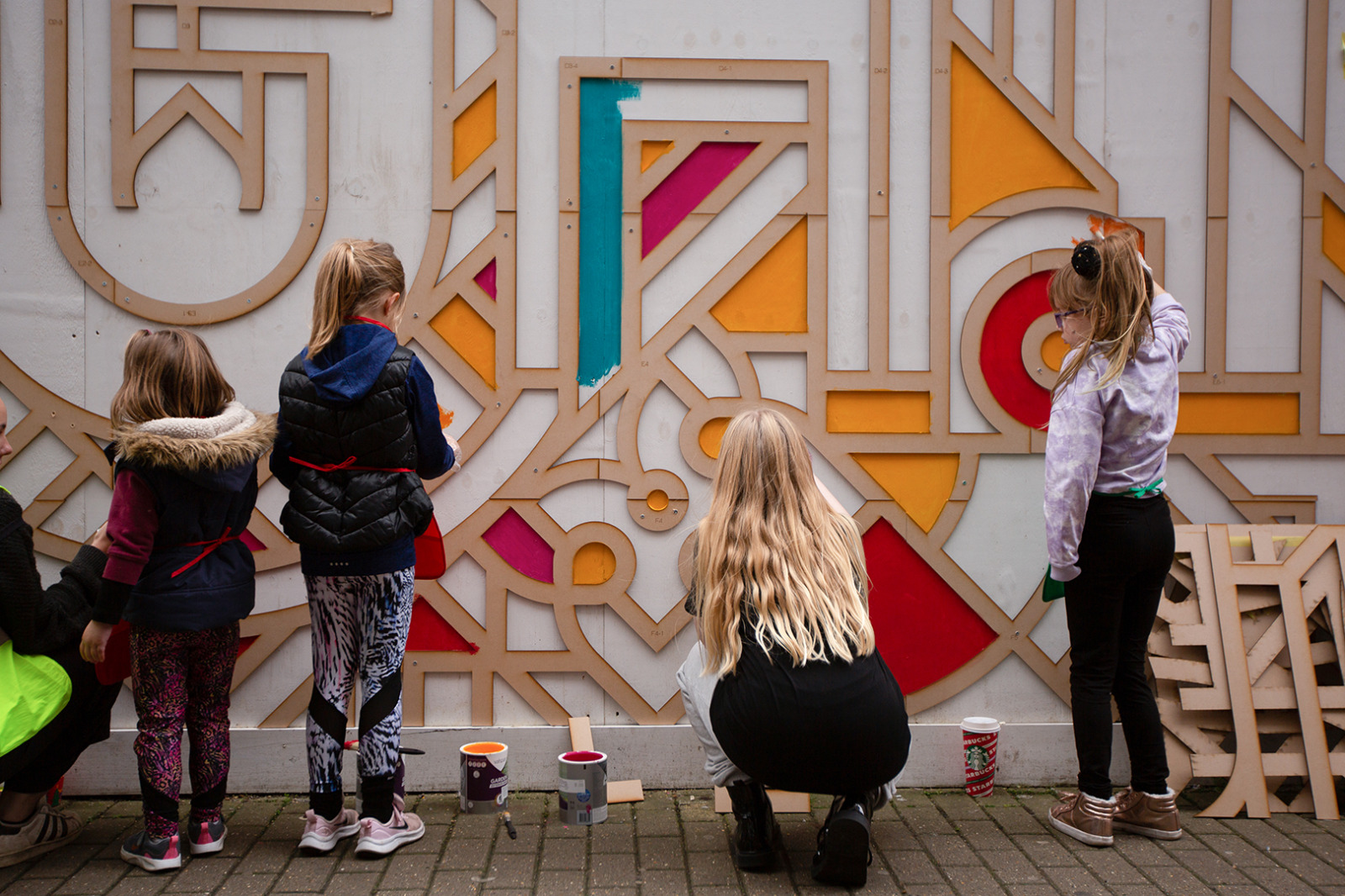
Community of Havering painting a Diwali Inspired Mural led by GEO JAM
Georgia Trower will introduce the children of London Fields Primary School to Hackney Marshes explaining its fascinating history and how it combines a biodiverse and recreational lung for Hackney and beyond. They will then envisage how the Marshes, and its waterways will respond to a future of extreme climates including the introduction of a local community centre.
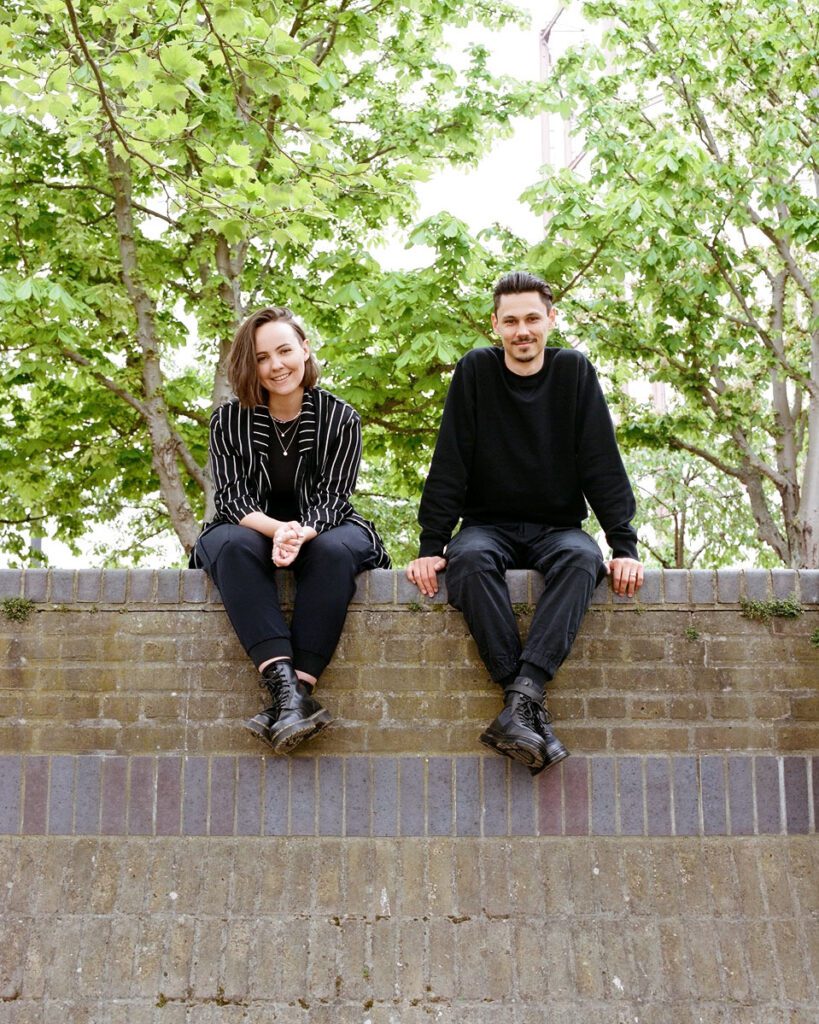
We look forward to our collaboration with Georgia, a neurodivergent architect and Director of GEO JAM. She investigates the intersection of co-design, spatial strategy, and visual communication, delivering projects that range from large-scale murals to intricate architectural designs.
At the heart of Georgia’s practice is a commitment to translating lived experience into spatial strategies. By prioritising the people who use a space, GEO JAM creates environments that are not only accessible but deeply expressive of local identity.
The Brief: A Centre for Community Resilience
Georgia’s co-design brief focuses on the design of a centre for all the Hackney Marshes community — specifically addressing their needs and the challenge of future climate extremes. This initiative goes beyond traditional architecture: it is an exercise in community resilience.
Over a series of five intensive workshops, Georgia will work alongside year 5 students from the school to explore how community-led design can respond to transformational changes of environment and society.
The History of the Marshes
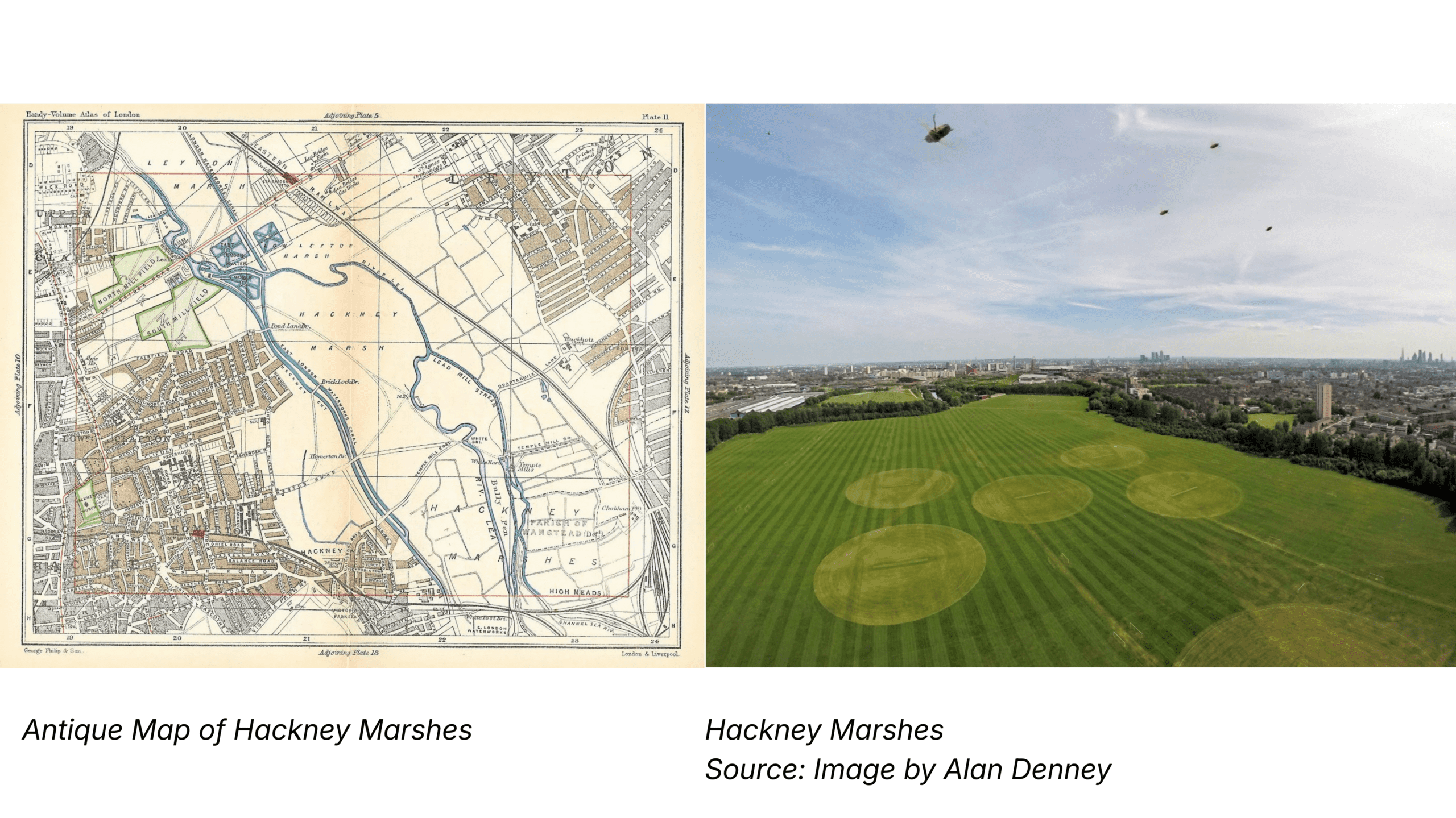
Hackney Marshes bear immense significance for residents because the space is rooted in a rich, fluid social history. Formed by the periodic flooding of the River Lea, the marshes were a vital resource that for centuries defied permanent occupation.
Before the 10th century, the river’s estuary reached as far as Hackney Wick, crossed at Old Ford. Historical records even point to the Romans building a significant stone causeway across the wetlands here. Because the land was too unstable for permanent buildings, it became a “common” place for pasture and passage rather than ownership. This history of “moving through” rather than “settling on” the land defines the area’s identity as a fluid, democratic space for all.
Today, it remains Hackney’s largest green lung and largest open sports and recreation space in Europe – a vital escape from the bustling city and a hub for community gathering.

The Co-design
This historical context is more relevant today than ever. As we face the climate crisis, the “periodic flooding” that once defined the marshes is becoming a more frequent and unpredictable threat. The challenge of the brief is to design a space that acknowledges the flood-prone nature of the site, prioritises social values true to the borough of Hackney and enhances its innate biodiversity.
With Georgia’s unique perspective on community design and visual communication, her expertise will help the children identify relevant issues and allow their creativity and local knowledge to inform their design concepts. By centring the voices of those who know The Marshes best, Georgia and the children will create ideas that are truly relevant. We anticipate an exciting collaboration.